In this blog post, we'll show you step-by-step how to make your own high-quality baby wipes from natural materials. Forget questionable ingredients and dive into the world of DIY (Do It Yourself) personal care. Read on to discover how easy it is to customize baby wipes to your individual needs while also protecting the environment.

Ingredients of wet wipes

Choosing the right ingredients in baby wipes is crucial for skin health and well-being. When looking for high-quality wipes, make sure to select ingredients that are gentle on the skin and have no potentially harmful effects. Natural ingredients like aloe vera and chamomile offer soothing properties and help prevent skin irritation. Avoid wipes containing parabens, artificial fragrances, and alcohol, as these can cause irritation and allergies. Instead, moisturizing ingredients like glycerin and plant oils are recommended to keep skin hydrated and supple. Your skin and your baby's skin will thank you—it will be healthy, radiant, and nourished. A simple way to know exactly what ingredients are in your wipes is to make them yourself. We'll show you how!

DIY wet wipes: what do I need?


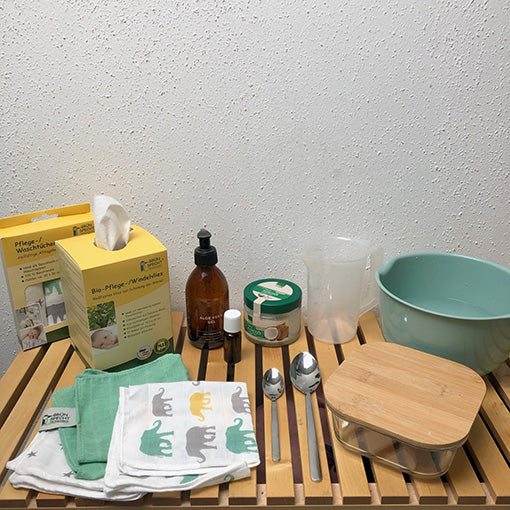
If you're interested in DIY baby wipes, you'll need some materials and ingredients to make high-quality, customized wipes. Here's a handy list of what you'll need:


• Natural cloth materials: Choose soft and skin-friendly materials such as cotton or bamboo. These ensure gentle cleaning. For example, you can use care or washcloths for this purpose.


• Water: Gently cleanses the skin and is the basis for the wipes.


• Scissors and sewing supplies: If you want to cut fabrics or sew your own scarves.


• Measuring cup and spoon: For accurately measuring the ingredients.

• Essential oils: Add a few drops of essential oils for a pleasant fragrance and to benefit from their calming properties. If you would like to make baby wipes, find out here or from your doctor which oils are suitable.


• Natural care oils: Coconut oil or almond oil are excellent for moisturizing and keeping the skin supple.


• Aloe vera or chamomile extract: These ingredients offer soothing properties and help to avoid skin irritation.


• Airtight storage containers: Keep the wipes fresh and moisturizing. Making your own wipes allows you to control the ingredients and cater to individual needs. Remember to choose the ingredients carefully and follow the steps to create the best DIY wipes. You can download a list of all the necessary materials and a short guide as a PDF here.

The right box

Proper storage of your homemade wipes is important to maintain their freshness and moisture. An airtight storage box is essential for this.

Airtight containers: Use airtight storage boxes to ensure your wipes are protected from drying out. These boxes retain moisture and nourishing ingredients for longer, so your wipes are always ready to use.
Hygienic storage: An airtight box protects your wipes from contamination and germs. This is especially important to ensure skin health, particularly when using the wipes for baby care.
Practical for on the go: A tightly sealable storage box is perfect for when you're out and about. You can safely store the wipes and take them anywhere without having to worry about leaks.

By storing your homemade wipes in an airtight storage box, you ensure you have ready-to-use wipes whenever you need them.

What fabric can I use?


The choice of fabric for homemade wet wipes is crucial for comfort, durability, and environmental friendliness.

Cotton: Cotton fabrics are soft, absorbent, and gentle on the skin. They offer a pleasant texture and are hypoallergenic, making them ideal for sensitive skin. Cotton is also durable and easy to clean, which facilitates the reuse of the wipes. GRÜNSPECHT's care and wash wipes can simply be machine washed after use.
Upcycling: You can also reuse existing fabrics like old cotton cloths or baby clothes to create sustainable wipes. Choose high-quality fabrics with a pleasant feel to avoid skin irritation. Both cotton and bamboo are breathable and soft on the skin, making them ideal base materials for homemade wipes.


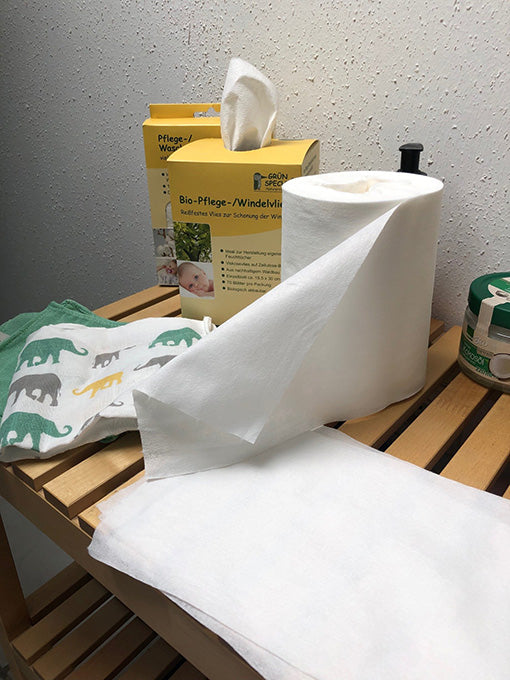
Care fleece for the production of wet wipes

In addition to natural fabrics like cotton, nonwoven fabrics can also be a suitable option for making wipes. However, when using them, it's important to ensure they are free of harmful chemicals and additives. Nonwoven fabrics are often made from natural fibers or materials and offer certain advantages:


Care nonwovens: These fabrics are specially developed for skincare applications and can provide gentle yet effective cleansing. They are often highly absorbent and feel pleasant against the skin. GRÜNSEPCHT's organic care/diaper nonwovens are particularly tear-resistant, which simplifies home production.


Environmental friendliness: Some non-woven care products are made from sustainable materials and are biodegradable. If environmental friendliness is important to you, you can look for such options.


Hypoallergenic: Non-woven fabrics are often carefully tested for skin compatibility, which can make them a good choice for sensitive skin types.

Easy to use: Care non-woven fabrics are already pre-cut and can easily be cut to the desired size, making the production of DIY wet wipes even easier.

Oil selection

The use of high-quality oils can significantly improve the moisturizing and conditioning effect of the wipes:


Natural care oils: When choosing oils for your wipes, natural options like coconut oil, almond oil, or jojoba oil are recommended. These oils are rich in nutrients and vitamins that nourish and moisturize the skin.
Moisture retention: Natural oils have the ability to bind moisture in the skin and protect it from drying out. This ensures that the wipes remain ready for use even after prolonged storage.


Hypoallergenic properties: Most natural oils are gentle on the skin and have hypoallergenic properties, making them ideal for sensitive skin types.


Aromatherapy: You can also add essential oils such as lavender, chamomile, or tea tree to give the wipes a pleasant scent and provide additional aromatherapy benefits. Make sure your skin doesn't react negatively to your chosen oil.

If you want to make baby wipes and are unsure which oil to use, talk to your pediatrician, midwife, or pharmacist beforehand.


Individual preferences: The choice of oil depends on your individual preferences and skin needs. Make sure to choose an oil that is well-tolerated by your skin and suits your desired skin feel.

Pay attention to choosing the right oil for your homemade wipes, as this determines the quality, skin compatibility and desired care properties.

  • Step 1: Prepare materials

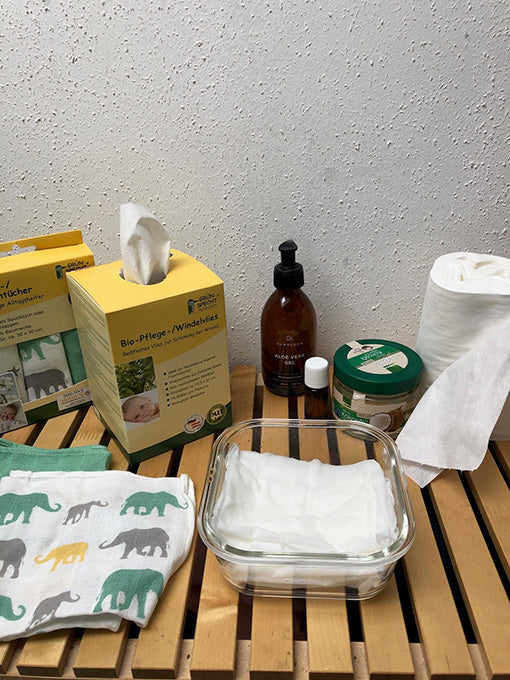
    Make sure you have all the necessary materials on hand, including soft fabrics such as cotton or bamboo, essential oils of your choice, natural nourishing oils such as coconut or almond oil, aloe vera or chamomile extract, water, airtight storage containers, scissors and sewing supplies, as well as measuring cups and spoons.


  • Step 2: Cut the fabric

    Cut the selected fabrics into the desired size for the wipes. Make sure they are easy to handle and fit well into the storage container.


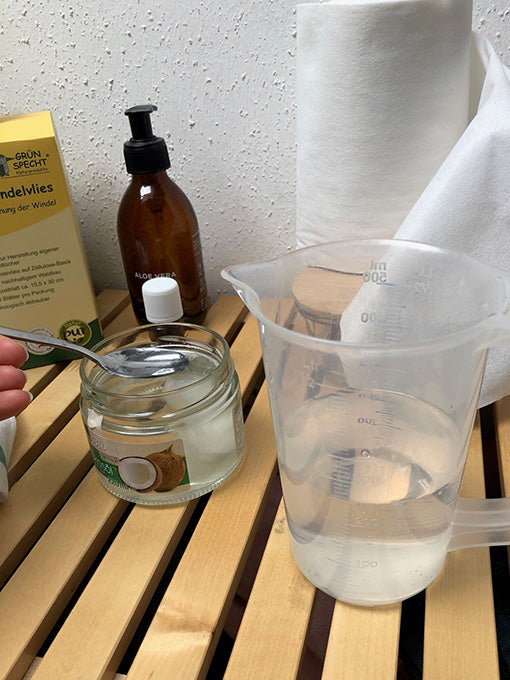
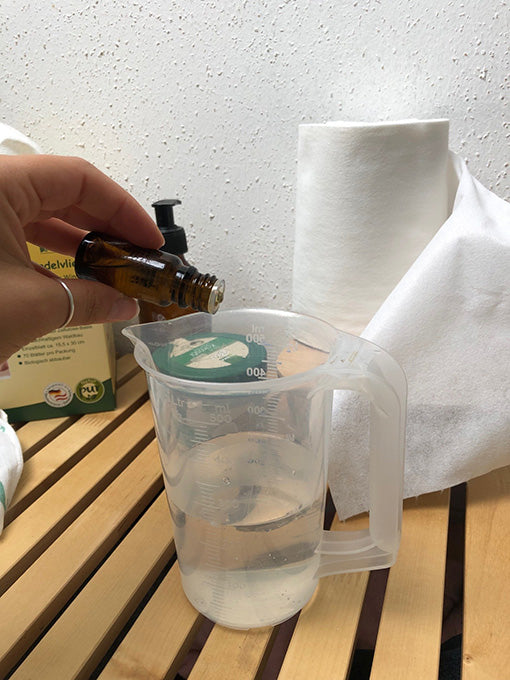
  • Step 3: Mix the ingredients

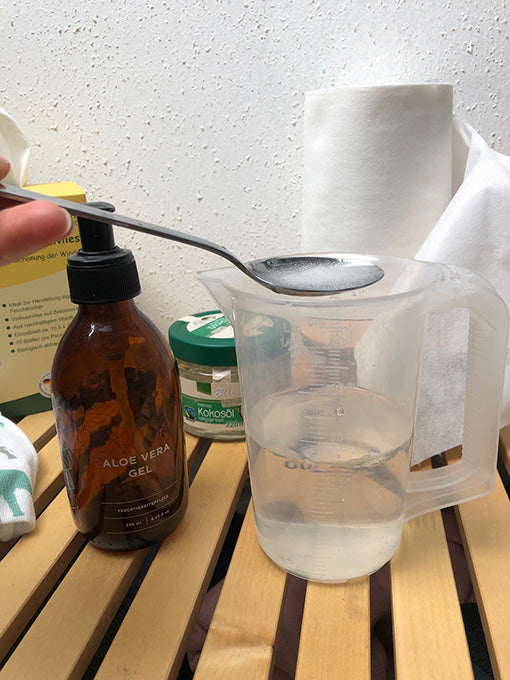
    Prepare a mixture of water, carrier oils, and optionally essential oils. This will moisturize the wipes and give them a pleasant fragrance. Add soothing ingredients like aloe vera or chamomile extract to enhance the skincare benefits. We recommend using one tablespoon of your chosen oil, one tablespoon of aloe vera (for example, in gel or juice form) or chamomile, and, if desired, 3-4 drops of essential oil to 250 ml of water.


  • Step 4: Soak fabrics

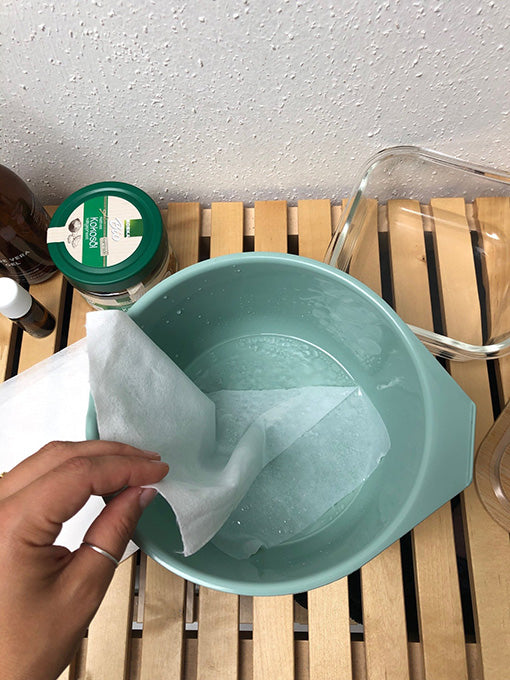
    Dip the cut fabrics into the prepared mixture until they are thoroughly soaked.


  • Step 5: Store the wipes & Step 6: Enjoy

    Place the soaked wipes in the airtight container to maintain their freshness and moisture. This also makes it easier to remove the wipes when you need them.

    Your homemade wipes are now ready to use! Gently use them on your skin or your baby's skin to refresh or cleanse.


FAQ – We answer your questions

Is it possible to make your own baby wipes?

Yes, it is possible to make your own wet wipes to meet individual care needs.
to meet requirements and utilize environmentally friendly options. This enables control.
about ingredients and offers a personal touch in skincare.

Why should I make my own baby wipes?

Many baby wipes contain additives such as fragrances,
They contain preservatives or dyes. Sensitive baby skin can
They react irritably to it. With homemade wipes, you can...
determine which additives are used and thus meet the needs of your
Babies die.

How can you make your own baby wipes?

Making your own baby wipes requires materials such as natural fabrics like cotton or non-woven fabric, a mixture of water and natural oils, and airtight storage containers. Cut the fabrics to size, soak them in the oil-water mixture, store them in the container, and use them as needed.

Which oil is best for homemade baby wipes?

Natural care oils such as coconut oil, almond oil or jojoba oil are ideal for
Homemade wet wipes. They moisturize the skin and
Nutrients, while essential oils such as lavender or chamomile offer additional benefits
can offer

Which fabric should be used for wet wipes?

Cotton and bamboo are excellent fabric options for DIY projects.
Wet wipes. These natural materials are gentle on the skin, breathable and
They are durable, making them ideal for care. Care nonwovens can
also be considered, but pay attention to skin compatibility and
Quality

The organic diaper liner is too short. What can I do?

The pre-defined perforation on the GRÜNSPECHT organic care/diaper fleece is
This is merely a guideline. You could, for example, use two sheets of paper or
Cut one of the sheets in half. Depending on the size of your wipes...
should.